Connections offers the following pediatric occupational therapy services to support children’s progress.
What Is Pediatric Occupational Therapy?
Pediatric occupational therapy is treatment to help children build skills for growth, learning, and independence in their everyday lives.
While we may think of an occupation as a job, for children, an occupation is to play, learn, and take care of themselves through actions such as getting dressed and brushing their teeth.
When a child faces hurdles with these daily tasks due to a developmental delay, injury, sensory sensitivity, or motor skill challenges, a pediatric occupational therapist steps in.
The pediatric occupational therapists at Connections design customized strategies to help children overcome obstacles, build confidence, and reach their full potential. Our pediatric occupational therapy services are offered for those who are infants through age 21.
Does My Child Need Occupational Therapy?
There are multiple indicators that a child could benefit from occupational therapy. If your child struggles with daily tasks and meeting developmental milestones, consider pediatric occupational therapy, which can assist with:
- Sensory processing challenges
- Self-care
- Self-regulation
- Daily living skills (afeeding, dressing, independent living tasks)
- Fine motor and upper-body coordination
- Play
- Visual–motor integration
- Social, emotional, and leisure skills
- Executive functioning (planning and focus)
- School-related skills (pre-writing, writing, cutting)
- Pre-vocational skill development
Supporting Your Child’s Progress
Connections provides pediatric occupational therapy in East Idaho, focusing on children’s individual progress and offering services to help them complete daily living tasks. We provide developmental milestone support for clients two months to five years old, as appropriate.
Our pediatric occupational services are offered in Idaho Falls, Rigby, Blackfoot, and Rexburg.
Pediatric Occupational Therapy Services from Connections

Premature and High Risk Infants
Support for brain development using activities that help infants develop their self-regulation and attention; care may involve positioning infants in certain ways to help them feel comfortable and learn to control how their bodies move | Learn More

Early Intervention
Infant and toddler motor and feeding development; for children from birth to age 3

Feeding and Eating
Assistance with infant feeding; for fussy and picky eaters, those learning to self-feed, and to address failure to thrive
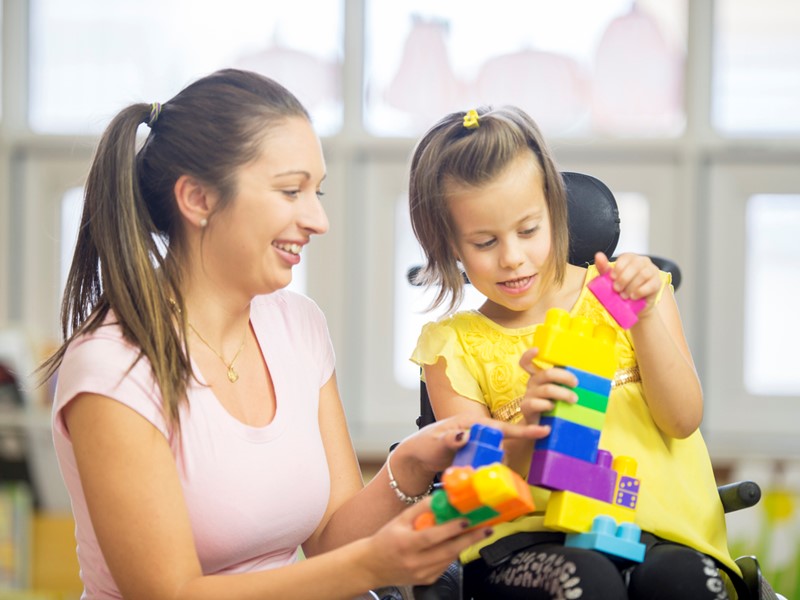
Developmental Disabilities
Therapeutic support for children with autism, cerebral palsy, developmental coordination disorder, developmental delays, epilepsy, and other conditions

Learning, Cognitive, and School Skills
Offered for individuals with ADHD, executive function problems, dyslexia, dysgraphia, learning disabilities, visual impairments, and challenges with social and school skills

Sensory Processing and Self-Regulation for Life Skills
Services for those with autism, ADHD, ADD, problems with executive function, sensory processing deficit, and reactive attachment disorder

Social Skills
To help children develop social skills that support successful interactions at home, school, and in the community; attention on building friendships, working in teams, and feeling more confident in social settings

Congenital Abnormalities and Genetic Disorders
Cleft palate, Down syndrome, fetal alcohol syndrome, metabolic disorders, and spina bifida services

Neuromuscular/Orthopedic Disorders and Injuries
For amputation, orthotics and prosthetics management, cerebral palsy, juvenile rheumatoid arthritis, spinal muscle atrophy, muscular dystrophy and scoliosis, spinal cord injuries, joint deformities, upper-body injuries, hand and finger injuries, and injuries impacting daily routines; physical therapists can treat lower body injuries

Head Trauma
Care for children who have experienced traumatic brain injury or concussions; offering ImPACT (Immediate Post-Concussion Assessment and Cognitive Testing) assessment
Contact us to learn more or schedule an appointment.

Premature and High-Risk Infants
Support for brain development using activities that help infants develop their self-regulation and attention; care may involve positioning infants in certain ways to help them feel comfortable and learn to control how their bodies move | Learn More

Early Intervention
Infant and toddler motor and feeding development; for children from birth to age 3

Feeding and Eating
Assistance with infant feeding; for fussy and picky eaters, those learning to self-feed, and to address failure to thrive
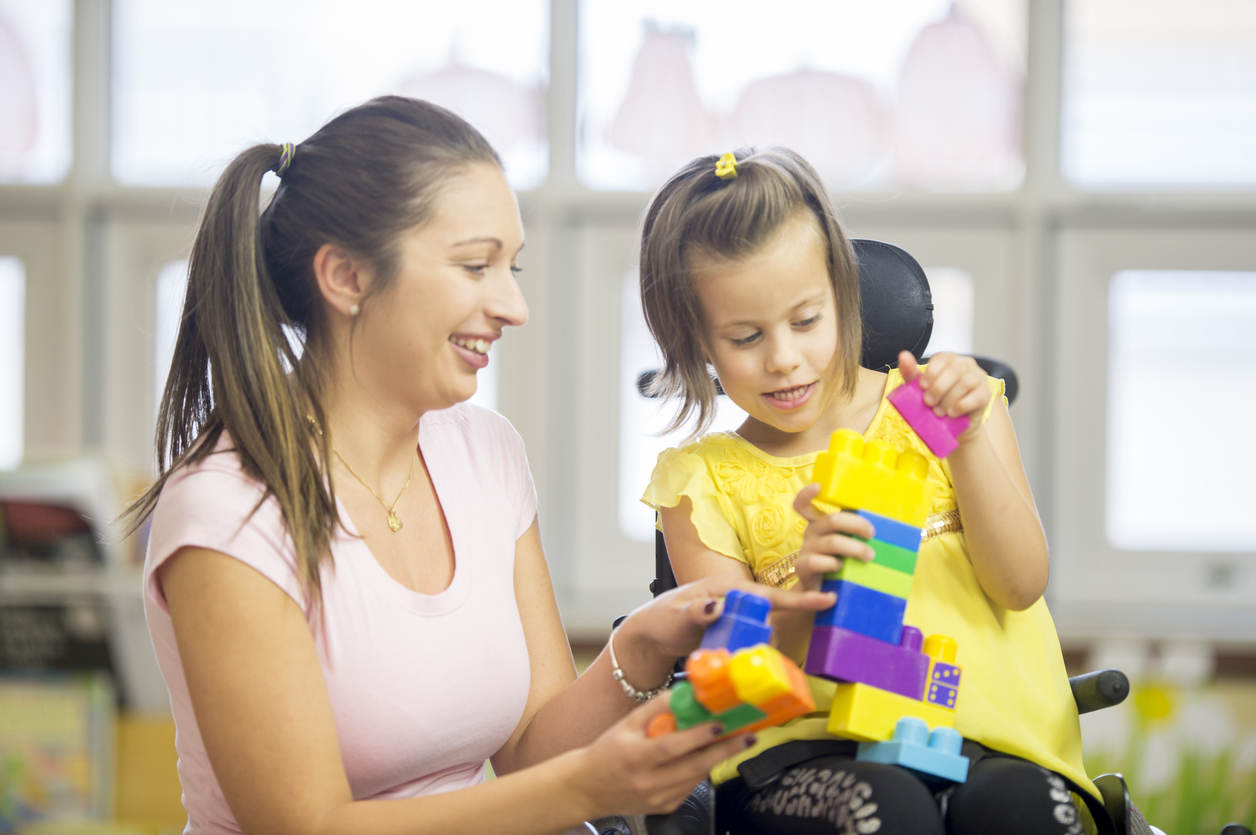
Developmental Disabilities
Therapeutic support for children with autism, cerebral palsy, developmental coordination disorder, developmental delays, epilepsy, and other conditions
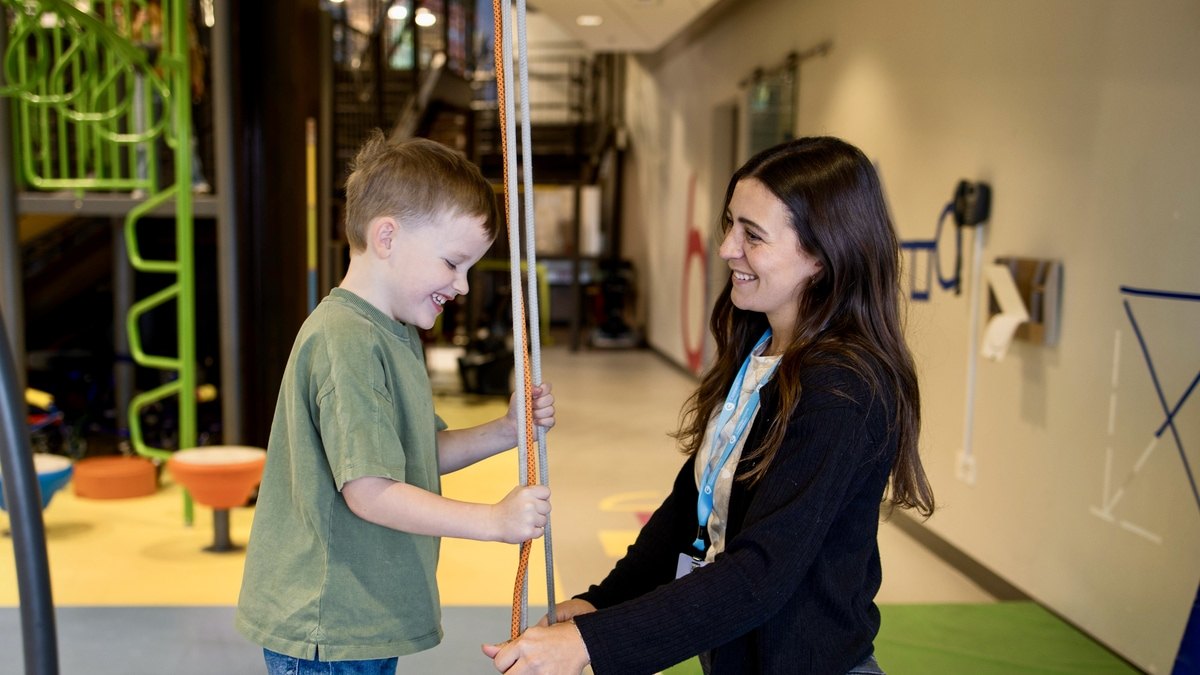
Learning, Cognitive, and School Skills
Offered for individuals with ADHD, executive function problems, dyslexia, dysgraphia, learning disabilities, visual impairments, and challenges with social and school skills
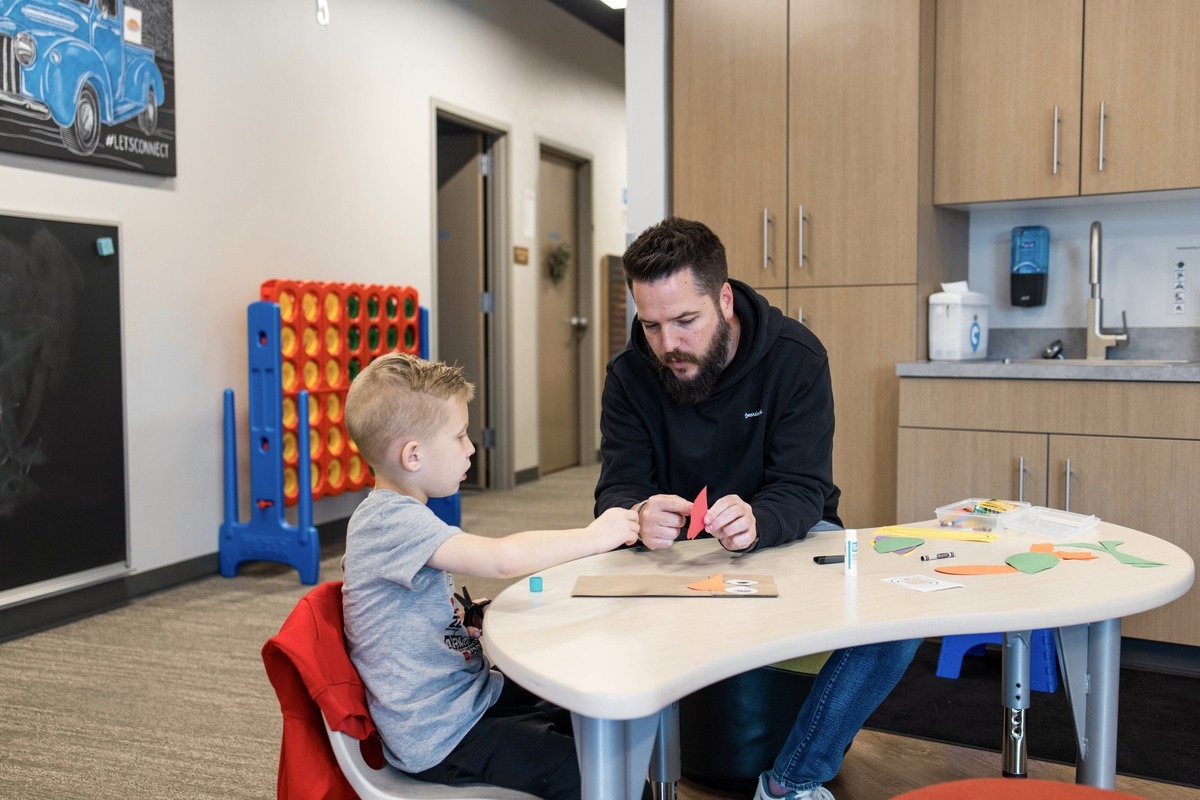
Sensory Processing and Self-Regulation for Life Skills
Services for those with autism, ADHD, ADD, problems with executive function, sensory processing deficit, and reactive attachment disorder

Social Skills
To help children develop social skills that support successful interactions at home, school, and in the community; attention on building friendships, working in teams, and feeling more confident in social settings

Congenital Abnormalities and Genetic Disorders
Cleft palate, Down syndrome, fetal alcohol syndrome, metabolic disorders, and spina bifida services
Neuromuscular/Orthopedic Disorders and Injuries
For amputation, orthotics and prosthetics management, cerebral palsy, juvenile rheumatoid arthritis, spinal muscle atrophy, muscular dystrophy and scoliosis, spinal cord injuries, joint deformities, upper-body injuries, hand and finger injuries, and injuries impacting daily routines; physical therapists can treat lower body injuries

Head Trauma
Care for children who have experienced traumatic brain injury or concussions; offering ImPACT (Immediate Post-Concussion Assessment and Cognitive Testing) assessment